Book Appointment Now
ABOUT US
About Us
PHSAI Advocacy program started in 2015 when it was initiated to provide advocacy support to the Ministry of Health and Primary Health Care Board on Family Planning issues. Lagos State has a policy of free Family planning services, but implementation of this policy faced several challenges at the PHCs, although family planning commodities were provided free to women who needed them the women had to pay for the consumables required to administer Long Acting Reversible Contraceptive (LARC). PHSAI launched an advocacy campaign for the provision of free family planning consumables for women. The campaign included the need for the Government to provide effective service delivery at public healthcare facilities. In 2016, PHSAI with its partners produced a scorecard on MNCH which was presented to the Commissioner to show the sub-optimal level of service delivery at the PHCs coupled with the PMA 2016 survey report that clearly showed that women at the lower quintile of the demography are unable to obtain family planning services due to high out of pocket cost.
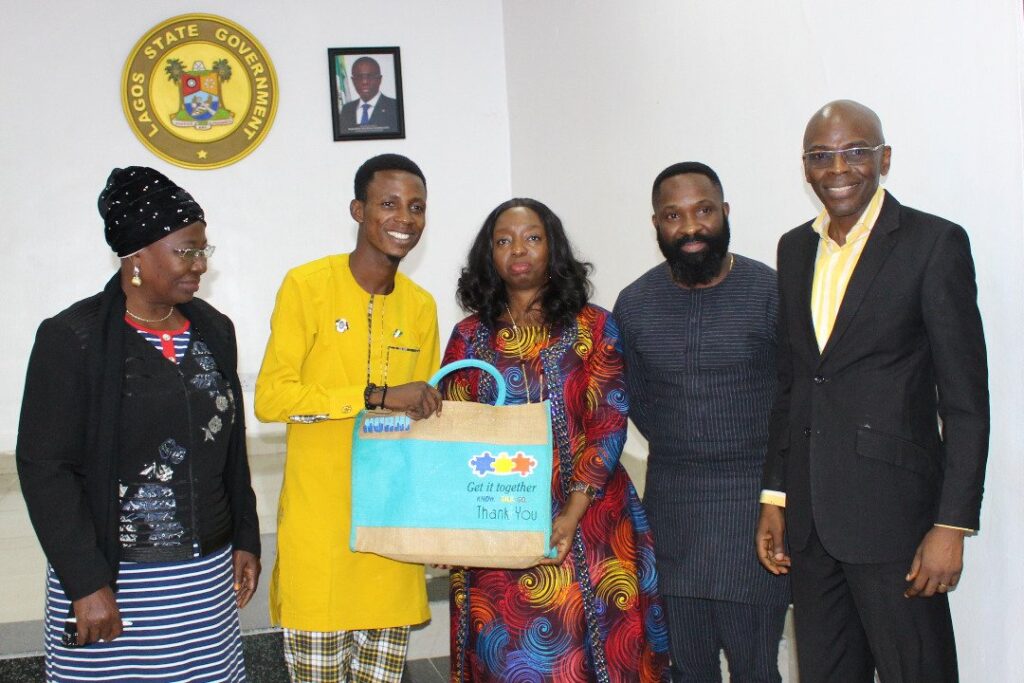
Due to Advocacy efforts in 2017, Family Planning budget increased by 100% in the 2018 budget line of the Lagos State Ministry of Health. As a result of the sustained advocacy of PHSAI, Family Planning now has a specific budget line in the Lagos State Primary Health Care Board created in 2017 and 2018 for the procurement of Family Planning consumables, which was identified as a major barrier for the most vulnerable women to accessing FP services.
In 2019, PHSAI’s sustained advocacy efforts to the Ministry of Health contributed to the release of part of the Y2019 Budgeted funds for Adolescents and Youth Sexual & Reproductive Health (AYSRH) activities.
A key barrier to access FP service for women in Lagos is the high out-of-pocket cost of consumables for the provision of long-acting and reversible contraception (LARCs), including the burden of personally paying for gloves, surgical blades and gauze/cotton wool. The result of Family Planning scorecard developed by PHSAI and other partners motivated the Honorable Commissioner, Lagos State Ministry of Health to direct that Family Planning Services be offered free of charge to the client at all Public Health Facilities since January 2016.
The need to remove all barriers to access for FP services became obvious. This need gave birth to the Public Health Sustainable Advocacy Initiative (PHSAI) – then known as the Lagos State Advocacy Working Group (LAWG) in January 2015, to advocate for the removal of barriers to access to FP services in the state.
Lagos State has witnessed numerous contributions of PHSAI towards the achievement of the State set CPR target. In order to sustain these evidence-based results of PHSAI in supporting the implementation of FP response in the State ,it has become imperative to integrate the Family Planning Advocacy plan into the State Family Planning response and interventions.
Although human resource capacity of PHSAI is low, efforts will be made to enhance our human resource capacity. In addition to that the needed Advocacy materials required to intensify support for full implementation of the CIP is not available for PHSAI use. However, financing PHSAI Advocacy interventions is a challenge we will overcome by partnering and collaborating with State Implementing Partners ( SIP).
Our Mission and Vision
Vision
To be the leading advocacy organisation in the Public Health space in Nigeria.
Mssion
To revitalize our commitment to advocating for transformative changes in the public health sector, fostering sustained efforts towards meaningful reform.
PHSAI Core Mandate
- To champion the transformation of the public health sector, focus on building collaborative networks, raising awareness through targeted campaigns, engaging with policymakers, and fostering partnerships with healthcare professionals and organizations. Implement evidence-based initiatives, leverage technology for transparency, and cultivate public support to drive meaningful reform in the public health sector.
- Empower communities through informed education, innovative policies, and collaborative initiatives to transform and elevate the public health sector, ensuring equitable access and optimal well-being for all.
- Transform public health through collaboration, awareness campaigns, policy engagement, and strategic partnerships.